
- May 18, 2026
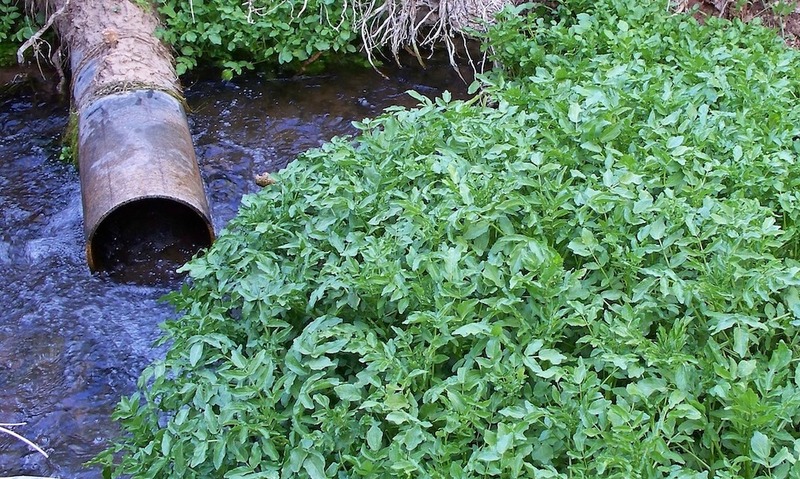
Cress: Three Overlooked Cruciferous Vegetables
If you want to be healthy, eat your vegetables! That’s something I’ve heard since I was a child, and I'm sure you have, too. But one problem with that advice is that it’s not specific enough. Many of the vegetables Americans eat are nightshades—tomatoes, potatoes, and peppers. They’re OK, but they eating French fries, boiled pealed potatoes, or tomato sauce isn't going to do that much for your health. In fact many people are either allergic to nightshades or find they aggrevate health problems…
- May 6, 2026
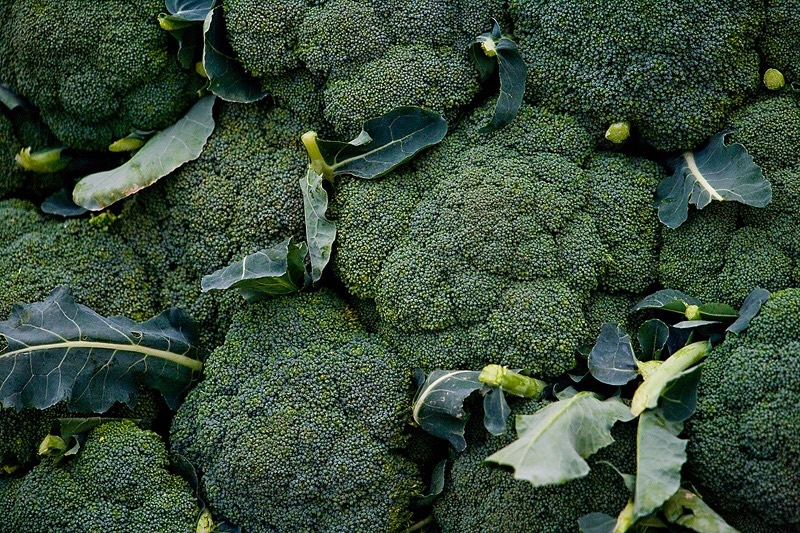
Cruciferous Vegetables
High in vitamins, minerals, fiber, glucosinolates, and antioxidants, consuming cruciferous vegetables is a great way to improve your health, support liver detoxification, protect from free radical damage and more.
- April 30, 2026
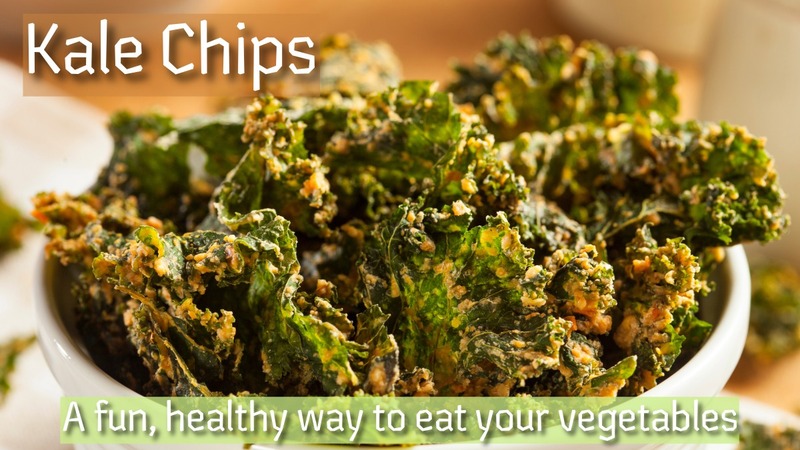
Kale Chips
One of the best things we can do for our health is to eat more dark, green leafy vegetables. But how do you get kids to eat them, let alone most adults? Try making kale chips and see how fun it can be to eat your leafy green vegetables.Kale is a powerhouse of nutrition. It is very high in vitamins K, A, and C, as well as significant amounts of various B-vitamins. It’s a good source of manganese, copper, calcium, potassium, iron, and magnesium, too. Kale is loaded with antioxidants, which…
- April 28, 2026
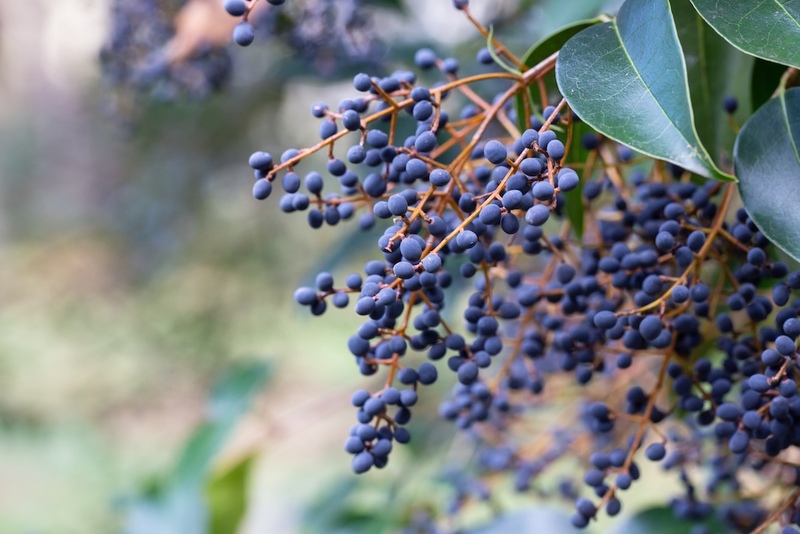
Ligustrum (Glossy Privet Fruits)
Privets are part of the genus Ligustrum and are widely grown as ornamental shrubs or trees, with some being used to create hedges. Many species produce fruits that are eaten by birds but are toxic to humans. I found a small privet tree on the property my wife and I moved to last fall, but because I can’t confirm it’s the correct species, I’m not going to mess with harvesting the fruits. However, there is one species, Ligustrum lucidum, also known as glossy privet, which produces fruits…

- March 31, 2026
N-Acetylcysteine
Supplementing with n-acetylcysteine (NAC) can help with glutathione synthesis. And glutathione is a powerful antioxidant important for liver, eye, and general health.
- March 23, 2026
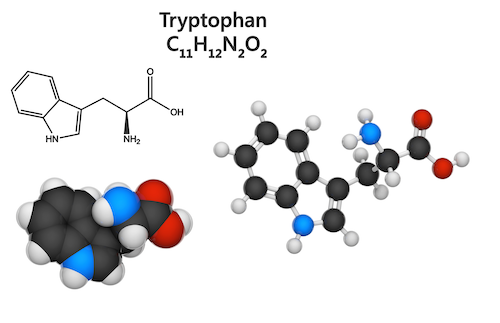
The Effects of Tryptophan on Health and Mood
Tryptophan is an essential amino acid that is involved in mood regulation, sleep, and appetite regulation. In the body it is converted into the neurotransmitters serotonin and melatonin and is used in other important processes in the body.
- March 9, 2026
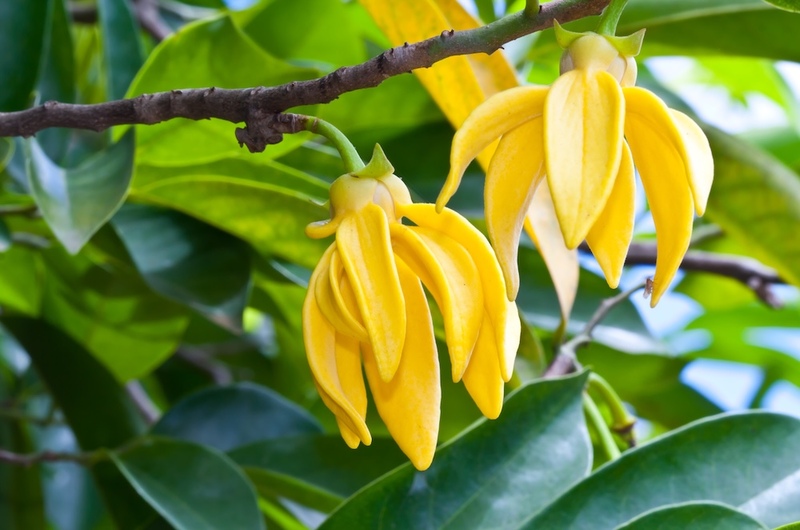
The Exotic Scent of Ylang Ylang
Promoting sensual feelings, relaxing the nerves, and supporting skin health, ylang ylang has similar uses to jasmine, including being an aphrodisiac and antidepressant.
- ← Older
- 1 of 37
Steven Horne is an herbalist and healer who focuses on teaching others how they can start building health and stop treating disease.
-
-

Cress: Three Overlooked Cruciferous Vegetables
Watercress, Garden Cress, and Pennycress have valuable… | May 18, 2026
-
-
-

Cruciferous Vegetables
The Health Benefits of Broccoli, Cauliflower, Kale,… | May 6, 2026
-
-
-

Kale Chips
A fun way to eat your leafy, green vegetables | April 30, 2026
-
-
-

Ligustrum (Glossy Privet Fruits)
Ligustrum is a liver and kidney tonic that strengthens… | April 28, 2026
-
-
-

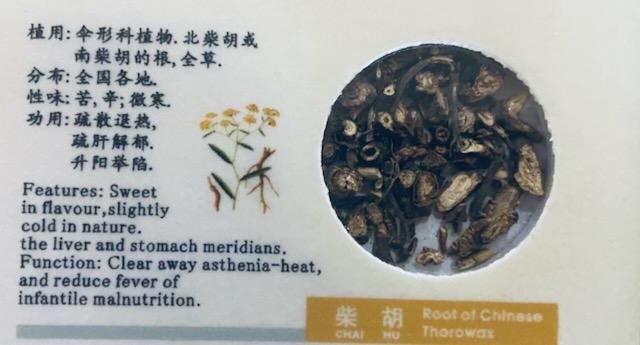
Bupleurum
An important Chinese herb for supporting the liver… | April 6, 2026
-
- More Articles
- Using Foods as MedicinesMay 26, 2026 6:00 pm MTMember webinar
- The Medicinal Kit in Your Kitchen CabinetJune 30, 2026 6:00 pm MTMember webinar
- Herbs & HomeopathyJuly 28, 2026 6:00 pm MTMember webinar
- The Amazing Benefits of AdaptogensAugust 25, 2026 6:00 pm MTMember webinar
- Silicon: The Overlooked NutrientSeptember 29, 2026 6:00 pm MTMember webinar
- More Webinars & Classes
Useful Links
Contact Us
Email: treelite@treelite.com
Steven Horne Creations
PO Box 1172
St. George, UT 84771
2026 © Steven Horne Creations, LLC. All Rights Reserved.