
- June 16, 2026
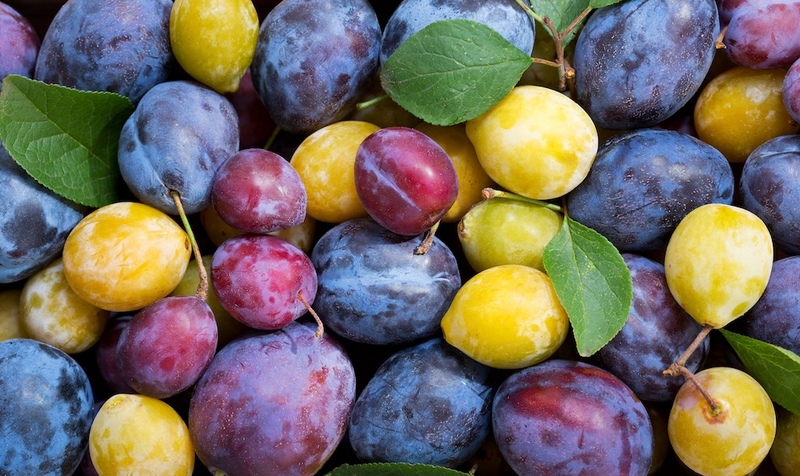
Prunes and Plums
I was listening to a lecture by my good friend Ellen Jensen at an iridology conference last year, and I noticed that her health recommendations for clients always included recommendations for specific foods. I think many of us in natural health give general dietary guidelines to clients, but I've never recommended specific foods the way I would recommend specific herbs or nutritional supplements. Since then, I've been working to add foods to my herbal database that can help specific conditions. This…
- May 25, 2026
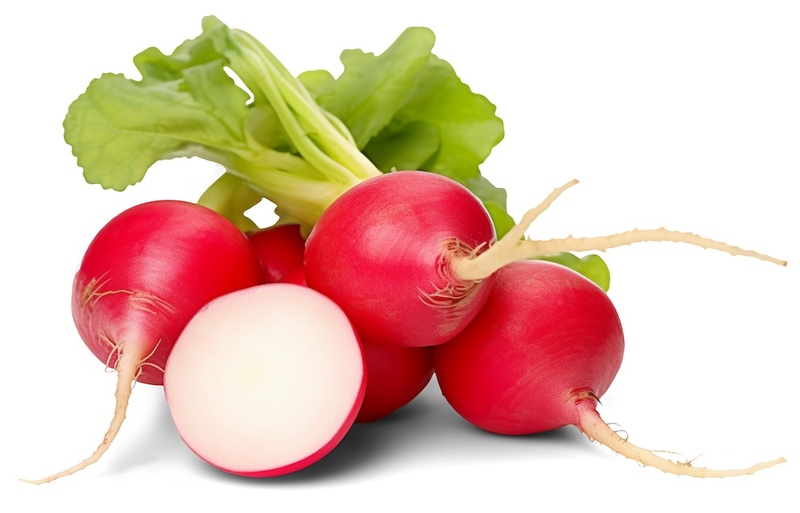
The Health Benefits of Cruciferous Root Vegetables
Cruciferous root vegetables, like all the other cruciferous vegetables I’ve recently written about, contain sulfur compounds, which aid sulfation, a major liver detoxification pathway, and may help prevent cancer. These vegetables from the mustard family also have benefits for the immune system.RadishesSulfur accelerates protein metabolism and many cruciferous vegetables sprout quickly and grow rapidly. When I plant radishes in my garden they are typically the first seeds to sprout and are often…
- May 18, 2026
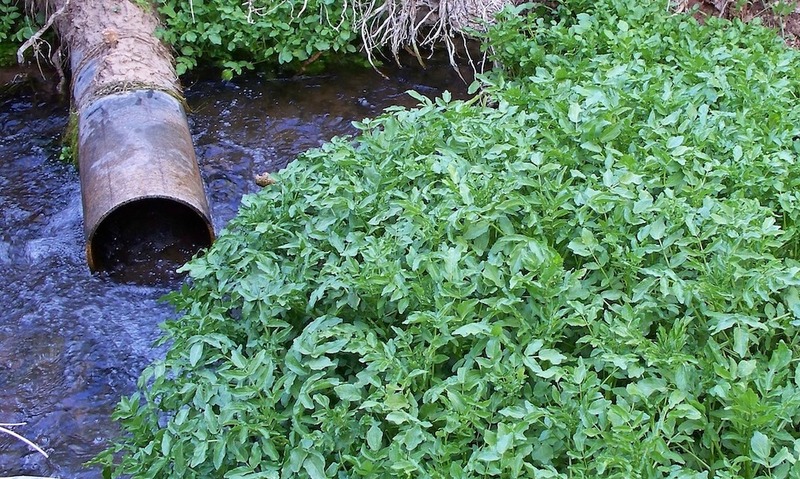
Watercress, Garden Cress, and Pennycress
These three overlooked cruciferous vegetables have valuable nutritional and medicinal benefits. They contain sulfur compounds can help with congestion, recovery from colds and flu, and more.
- May 6, 2026
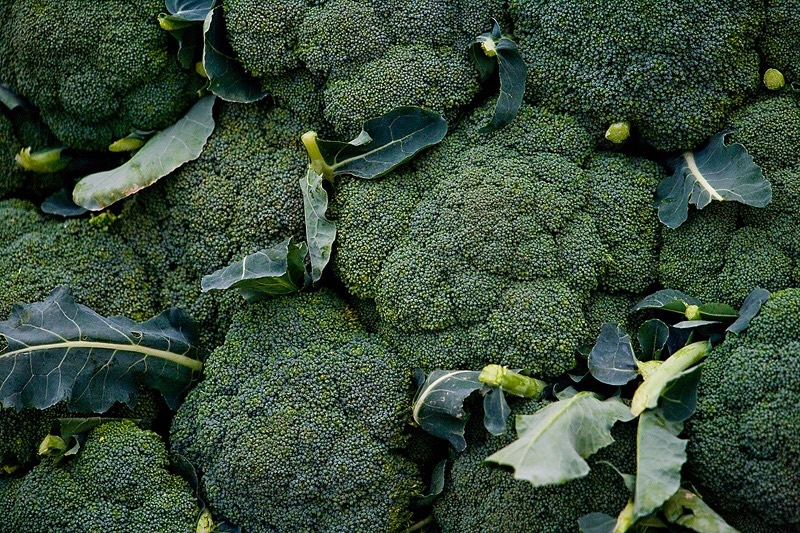
Cruciferous Vegetables
High in vitamins, minerals, fiber, glucosinolates, and antioxidants, consuming cruciferous vegetables is a great way to improve your health, support liver detoxification, protect from free radical damage and more.
- April 30, 2026
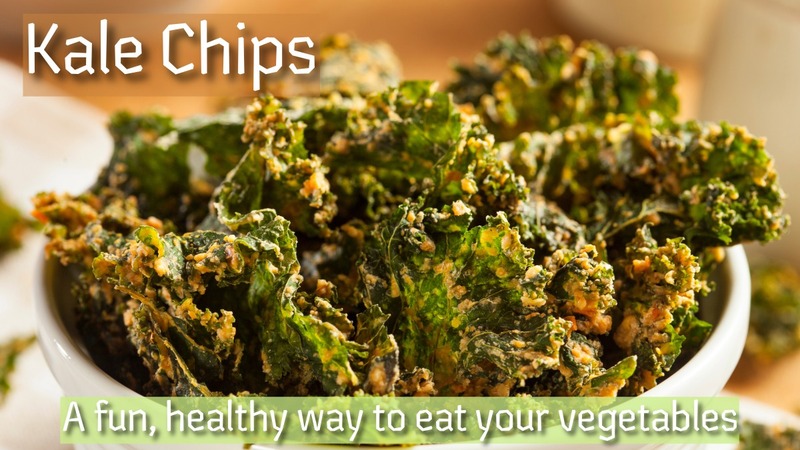
Kale Chips
One of the best things we can do for our health is to eat more dark, green leafy vegetables. But how do you get kids to eat them, let alone most adults? Try making kale chips and see how fun it can be to eat your leafy green vegetables.Kale is a powerhouse of nutrition. It is very high in vitamins K, A, and C, as well as significant amounts of various B-vitamins. It’s a good source of manganese, copper, calcium, potassium, iron, and magnesium, too. Kale is loaded with antioxidants, which…
- April 28, 2026
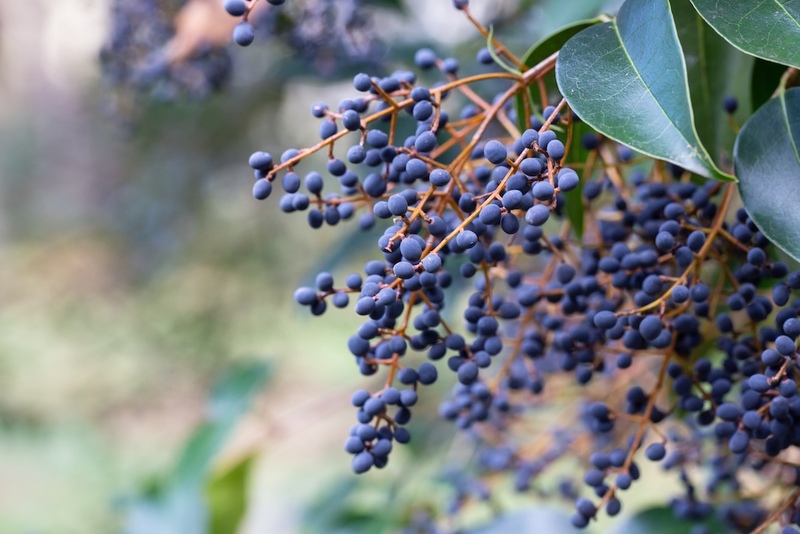
Ligustrum (Glossy Privet Fruits)
Privets are part of the genus Ligustrum and are widely grown as ornamental shrubs or trees, with some being used to create hedges. Many species produce fruits that are eaten by birds but are toxic to humans. I found a small privet tree on the property my wife and I moved to last fall, but because I can’t confirm it’s the correct species, I’m not going to mess with harvesting the fruits. However, there is one species, Ligustrum lucidum, also known as glossy privet, which produces fruits…

- March 31, 2026
N-Acetylcysteine
Supplementing with n-acetylcysteine (NAC) can help with glutathione synthesis. And glutathione is a powerful antioxidant important for liver, eye, and general health.
- ← Older
- 1 of 37
Steven Horne is an herbalist and healer who focuses on teaching others how they can start building health and stop treating disease.
-
-

Prunes and Plums
Nature’s natural bowel tonics for restoring healthy elimination | June 16, 2026
-
-
-

The Health Benefits of Cruciferous Root Vegetables
Radishes, turnips, and rutabagas aid detoxification,… | May 25, 2026
-
-
-

Watercress, Garden Cress, and Pennycress
Three valuable overlooked cruciferous vegetables with… | May 18, 2026
-
-
-

Cruciferous Vegetables
The Health Benefits of Broccoli, Cauliflower, Kale,… | May 6, 2026
-
-
-

Kale Chips
A fun way to eat your leafy, green vegetables | April 30, 2026
-
- More Articles
- The Medicinal Kit in Your Kitchen CabinetJune 30, 2026 6:00 pm MTMember webinar
- Herbs & HomeopathyJuly 28, 2026 6:00 pm MTMember webinar
- The Amazing Benefits of AdaptogensAugust 25, 2026 6:00 pm MTMember webinar
- Silicon: The Overlooked NutrientSeptember 29, 2026 6:00 pm MTMember webinar
- Supporting Family HealthOctober 27, 2026 6:00 pm MTMember class
- More Webinars & Classes
Useful Links
Contact Us
Email: treelite@treelite.com
Steven Horne Creations
PO Box 1172
St. George, UT 84771
2026 © Steven Horne Creations, LLC. All Rights Reserved.